
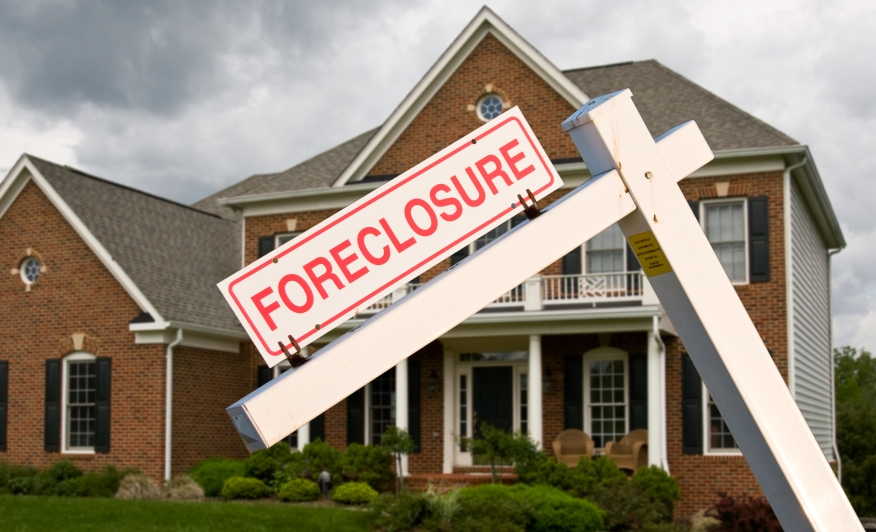
When a homeowner gets a Notice of Default, it feels like the ground just dropped out from under them. Servicers design these letters to scare you into silence. They want you confused, passive, and unsure of your rights. But here’s the truth: a Notice of Default is not the end — it’s the beginning of your opportunity to fight back.
This post explains, in plain English, what the Notice really means, why banks use it the way they do, and how you can take control of the situation before the foreclosure machine starts rolling over you.
What Is a Notice of Default?
A Notice of Default is the lender’s official claim that you’re behind on payments.
But here’s the part they don’t tell you:
A Notice of Default is absolutely challengeable, in many states it’s a formal legal notice and part of the statutory foreclosure process, they can’t proceed without it.
The servicer still has to prove:
- They have the legal right to collect the debt
- They have the right to enforce the mortgage
- They credited all payments correctly
- They followed state foreclosure statutes
- They sent proper notices in the right order
In thousands of cases across the country, servicers can’t prove any of this. They rely on fear, not evidence.
Why Did You Get This Notice?
Most homeowners assume the Notice of Default is simply because they fell behind.
But that’s only part of the story.
Servicers commonly trigger default notices because of:
- Misapplied payments
- Servicing transfers where the new company has no accurate records
- Forced-placed insurance errors
- Suspense accounts holding your payments instead of applying them
- Loan modification “dual tracking” where they pretend to review you while pushing foreclosure
In plain terms:
Many “defaults” are manufactured by the servicer, not caused by the homeowner.
Your Rights After Receiving a Notice of Default
Different states have different timelines, but you always have rights, including:
✔ The right to demand proof
You can demand full accounting, payment histories, and the identity of the true creditor.
✔ The right to challenge standing
The entity trying to foreclose must prove it is:
- The creditor
- The owner of the debt
- The one entitled to enforce the note
In securitized mortgages, these three are rarely the same party, and often the foreclosing entity is none of them.
✔ The right to dispute errors
Servicers make mistakes constantly. Under federal law (RESPA/QWR), you can force them to respond.
✔ The right to stop the process
You may be able to stop the foreclosure through:
- Pre-litigation demands
- Court challenges
- Bankruptcy (when strategic)
- Emergency motions
- Forcing the servicer to provide evidence they don’t have
How Fast Do You Need to Act?
Immediately.
But not out of fear — out of strategy.
A Notice of Default starts a timeline. The servicer is hoping you freeze, blame yourself, and let them take your home without a fight.
Every day you wait, the servicer advances the process.
Every day you act, you slow it down and expose their weaknesses.
Your First 5 Steps After Getting a Notice of Default
Here is the exact playbook we give homeowners:
1. Do NOT call the servicer on the phone
They can record and twist your words. You control the record — not them.
2. Gather your documents
Find:
- All mortgage statements
- Payment receipts
- Modification applications
- Emails and letters from the servicer
- Closing documents
- (our clients all receive their own folder on our private server to save and share their documents)
3. Order a full loan audit
You need payment histories, transaction logs, and boarding records.
These almost always contain the errors that win cases. Contact us for help in demanding these records.
4. Send a written demand for proof
Force them to identify the current creditor, the owner of the debt, and provide all records. We help our clients demand this through our Administrative Strategy.
5. Talk to a foreclosure defense expert — not a “loss mitigation” clerk
Foreclosure is a legal issue, not a customer service problem.
You need strategy, not wishful thinking. That’s where we come in; we’ve been saving homes for over 20 years.
We Challenge the Notice of Default
At Living Lies Defend The Foreclosure, we look closely at the notice of default to see if it meets legal requirements and is backed by real authority. Many notices rely on questionable records or are issued by parties without standing. We break down the timing, documentation, and compliance to help homeowners dispute defective notices and slow or even stop the foreclosure process.
Why Acting Early Gives You the Advantage
The period right after a Notice of Default is when servicers are most vulnerable.
Why?
Because their case is at its weakest:
- They haven’t assembled documents
- They haven’t created their affidavits
- They sometimes can’t produce the note and even if they do it’s important to challenge how they got it; the assignments of the note are often not properly done.
- Their payment histories are a mess
- Their assignment is often robo-signed or outright forgeries
- The trust documents almost never match the transfer timeline
You’re catching them before they manufacture a “story” to support foreclosure.
This is your chance to challenge everything.
Final Word: A Notice of Default Is a Warning — Not a Verdict
Servicers want you to believe the Notice of Default is the end.
But here at LivingLies/ Defend the Foreclosure, we treat it as the start of your defense.
You have rights.
You have leverage.
You have defenses.
And you are not alone.
The earlier you act, the stronger your position becomes. Call us today at 844.583.5339 and remember…
YOUR HOME IS YOUR CASTLE WE HELP YOU DEFEND IT
Search Our Blog
Categories
Contact Our National Headquarters Phone: 844-583-5339
Connect with us


Contact Our National Headquarters
- 844-583-5339
- Available 24/7
-
200 S. Andrews Ave. Ste. 604
Ft. Lauderdale, FL 33301