
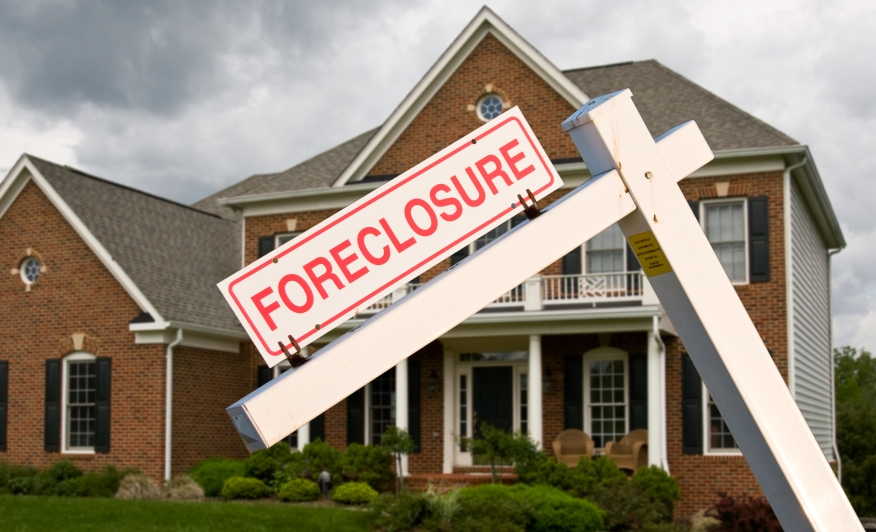
If you’re reading this, you’re probably facing a foreclosure notice, a lawsuit, or a sale date. And you’ve been told the same thing everyone gets told: “You’re behind, so they can take the house.”
That statement is not the law. It’s a sales pitch.
Foreclosure is a legal action. In court (and even in many non-judicial states when you force the issue into court), the party trying to take your home must prove its case with admissible evidence.
Here’s the problem for them: in a huge number of foreclosures, the party filing the action is not the party that paid for your loan, owns your loan, or has the legal right to enforce it. That gap between the story and the proof is where cases are won.
First: What “Stopping Foreclosure” Really Means
Stopping foreclosure can mean different outcomes depending on your situation:
- Stopping a sale (temporary or permanent)
- Dismissing the case (because the plaintiff can’t prove standing or proof of claim)
- Winning leverage (forcing a real settlement because their evidence is weak)
- Correcting title (quiet title or wrongful foreclosure remedies in the right case)
What it does not mean is shouting slogans like “produce the note” and hoping the judge applauds. It means using the rules of evidence and procedure to force proof.
Step One: Know What Kind of Foreclosure You’re In
Judicial foreclosure (lawsuit in court)
The plaintiff files a complaint. You must respond. If you don’t, you lose by default. In judicial states, stopping foreclosure usually means:
- Filing a timely answer (and sometimes motions)
- Raising defenses like standing and failure of proof
- Using discovery to force evidence
- Attacking affidavits and “business records” that are hearsay
Non-judicial foreclosure (power of sale)
They try to sell without a lawsuit. But you can still stop it by forcing the dispute into court—often through:
- Injunction/TRO standards (state-specific)
- Declaratory relief
- Wrongful foreclosure claims (when facts support it)
- Demanding proof of authority to foreclose
The Core Issue: Foreclosure Is About “Who Can Enforce,”
Homeowners get trapped by a simple misunderstanding. They think the question is:
“Am I behind on payments?”
But the legal question is often:
“Does this plaintiff have the legal right to enforce this debt and foreclose this lien?”
You can be behind and still defeat the foreclosure case if the plaintiff can’t prove the elements required by law.
The Five Things the Foreclosing Party Must Prove
Different states phrase it differently, but the essentials are usually the same:
- Standing (the right to bring the case)
- Right to enforce the note (not just a copy—legal enforcement rights)
- Right to foreclose the mortgage/deed of trust (authority + chain of title)
- Default (what happened, when, and under what terms)
- Amount claimed (principal, interest, escrow, fees—proven with admissible records)
Most foreclosure mills assume homeowners won’t challenge these. That assumption is their biggest weakness.
Defense #1: Lack of Standing (The Most Powerful Lever)
Standing means the plaintiff has a real stake in the outcome and a legal right to sue.
In foreclosure, standing is often “proven” with:
- Questionable assignments
- Robo-signed documents
- Servicer declarations pretending the servicer is the creditor
- Affidavits repeating “I reviewed records” without foundation
Standing defenses usually focus on:
- Who owns the debt (financial ownership)
- Who can enforce (legal enforcement rights under state law/UCC)
- When they obtained it (timing matters in many states)
Internal reading: Standing in Foreclosure Cases Explained
Defense #2: The “Business Records” Trap (Hearsay Dressed Up as Proof)
Most foreclosures are won with one tactic: paper submissions claiming the bank’s “records” prove everything.
But those “records” are often:
- Created by someone else
- Boarded in from prior servicers
- Not authenticated properly
- Not kept in the ordinary course of business (as required)
Translation: a lot of it is inadmissible hearsay if challenged correctly. Keep in mind that the hearsay rule goes for evidence produced by either party. Here at livinglies/Defend the Foreclosure, we often see reports homeowners pay for that are ruled inadmissible or simply ignored for lack of first hand knowledge on the part of the “expert”.
Defense #3: Assignment and Chain of Title Problems
When a loan has been sold and resold, the paper trail often doesn’t match the story.
Common red flags:
- Assignments recorded years after the alleged transfer
- Same “signer” appears on thousands of documents
- Notary issues, missing authority, or fabricated capacity
- Conflicting dates between endorsements, assignments, and servicing transfers
Courts vary, but one thing is consistent: if the plaintiff’s proof of authority is shaky, you push hard.
Internal reading: Mortgage Assignment Fraud in Foreclosure
Defense #4: “Securitized Trust” Claims That Don’t Match Proof
Many plaintiffs claim they’re “trustee for” a securitized trust. Homeowners think that sounds official, so they give up.
Don’t.
A trust claim raises questions:
- Where is the proof of ownership (not just a label)?
- Where is the actual transaction history showing the debt was acquired?
- Where is the authority for the servicer to act?
Internal reading: Mortgage Securitization Explained
Defense #5: The Amount Claimed Is Often Not Proven
Even if a judge thinks the plaintiff can enforce, the amount still must be proven. Many payment histories are:
- Boarded in and unreliable
- Full of unexplained fees
- Inconsistent with escrow and suspense accounting
- Missing competent witness foundation
When the numbers are wrong, your leverage rises fast.
How to Stop Foreclosure Using Discovery (Where Cases Turn)
Discovery is where you stop being a spectator and start forcing answers.
What to request
- Full payment history with definitions of every column
- Servicing transfer/boarding records
- All assignments and purchase/sale documents
- Authority documents: servicing agreement, limited power of attorney
- Data that shows who is paid when you pay (investor remittance reporting)
- Loan-level data and investor reporting (when relevant)
Internal reading: Discovery Strategies in Foreclosure Litigation
What to Do Immediately (Practical Checklist)
- Do not ignore deadlines. Default judgments end cases fast.
- Get the full case file (complaint, exhibits, motions, affidavits).
- Pull county records for assignments and substitutions of trustee.
- Demand proof: standing, enforcement rights, authority, and admissible records.
- Stop arguing feelings. Argue proof. Judges can rule on proof.
Call to Action (What LivingLies/DefendtheForeclosure Actually Does Differently)
Most “help” is designed to get you to sign a modification package and hope. That’s not litigation strategy.
Our approach is evidence-based:
- We focus on standing, ownership, and enforcement rights
- We focus on admissible evidence—not slogans
- We focus on using discovery to expose weak claims
Next step: Request an evidence review / case analysis
YOUR HOME IS YOUR CASTLE WE HELP YOU DEFEND IT LIVINGLIES/DEFENDTHEFORECLOSURE
Frequently Asked Questions
Can foreclosure be stopped after it starts?
Yes. Foreclosure is a legal process. If you respond, raise proper defenses, and challenge proof, you can stop a sale, force dismissal, or create leverage for a settlement.
Does the bank have to prove it owns the loan?
The plaintiff must prove it has the legal right to enforce the debt and foreclose the lien. In many cases, that requires proof of authority and a reliable chain of title.
What if I’m behind on payments?
Being behind does not automatically prove the plaintiff’s right to foreclose. Foreclosure is about proof, authority, and admissible evidence.
Is “produce the note” enough to win?
Usually, no. The winning approach is broader: standing, enforcement rights, chain of title, and evidence objections.
What is the fastest way to stop a sale?
That depends on your state and facts. Often it involves court action (injunctive relief) plus a strong showing that the foreclosing party’s authority or proof is defective.
YOUR HOME IS YOUR CASTLE WE HELP YOU DEFEND IT
Search Our Blog
Categories
Contact Our National Headquarters Phone: 844-583-5339
Connect with us


Contact Our National Headquarters
- 844-583-5339
- Available 24/7
-
200 S. Andrews Ave. Ste. 604
Ft. Lauderdale, FL 33301