
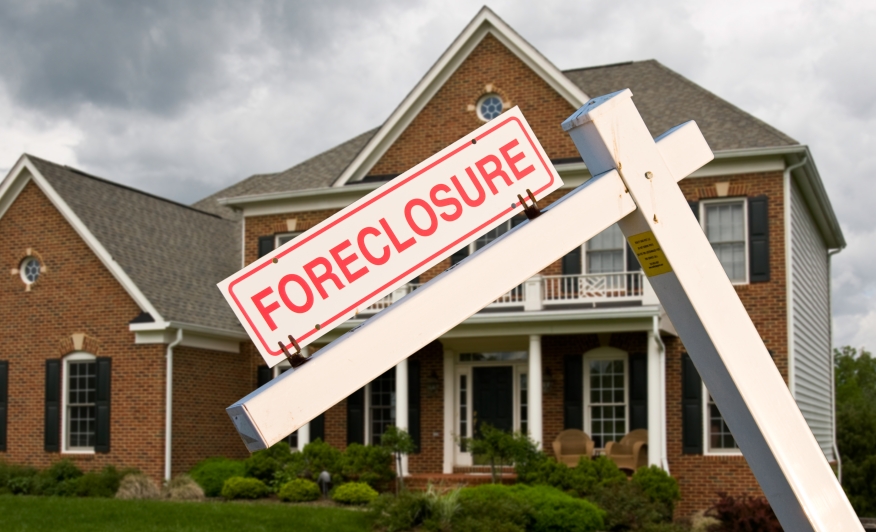
Hawaii Supreme Court Restores Balance in Foreclosure Cases
Now that courts are less fearful of triggering an economic meltdown, judges are returning to legal decisions instead of political ones. The Hawaii Supreme Court has taken a major step in that direction with a landmark ruling reaffirming long-standing civil procedure principles and giving homeowners a fairer chance to defend themselves.
The case, Bank of America, N.A. v. Grisel Reyes-Toledo, underscores a simple but powerful point: homeowners must be allowed to prove their claims while defending a foreclosure action. This decision not only levels the playing field but also sets a persuasive precedent that could influence courts across the country.
Key Takeaways from the Decision
Notice Pleading Restored
The Court rejected the “plausibility test” that many jurisdictions have wrongly applied in motions to dismiss. Under Hawaii’s rules, a complaint only needs a short, plain statement of facts showing entitlement to relief. On a motion to dismiss, all allegations must be presumed true—without weighing plausibility. This decision could roll back years of improper rulings where judges dismissed homeowners’ claims prematurely.Right to Discovery Strengthened
The Court signaled that homeowners should be granted meaningful discovery into the actual transactions and creditor identities—records too often shielded by banks as “private” or “proprietary.” This shift could open the door to more settlements, many of them sealed, once banks are forced to disclose documents they’d rather keep hidden.Wrongful Foreclosure Counterclaims Allowed
Unlike California and other states where homeowners must wait until after foreclosure to sue, Hawaii allows wrongful foreclosure claims to be raised as counterclaims during the foreclosure itself. This is crucial, as statutes of limitation begin running as soon as foreclosure is initiated.Standing Requirements Clarified
Foreclosing parties and their attorneys must perform due diligence before filing:
Confirm the entity exists
Verify possession of the note
Ensure endorsements and assignments come from parties who owned the debt
Prove the debt was actually transferred by a legitimate creditor
Failure to meet these requirements violates Hawaiian law, exposing banks and their lawyers to damages claims. If they knowingly file without standing, it rises to abuse of process, fraud, and potentially RICO liability.
Why This Matters
For years, many courts leaned heavily toward ruling for foreclosing parties, often overlooking defects in standing, assignments, and documentation. Hawaii’s high court has now reminded the legal system that procedural shortcuts cannot override fundamental rights.
This ruling will not bind courts outside Hawaii, but it is persuasive authority that may make judges in other states reconsider pro-bank biases. At its core, the decision reinforces that homeowners deserve their day in court—not just after losing their homes, but during the foreclosure process itself.
⚖️ Summary: The Hawaii Supreme Court has delivered a blow to the presumption that banks are always entitled to foreclose. By restoring the homeowner’s right to raise claims and demand real evidence, the Court has rebalanced foreclosure litigation in a way that could ripple far beyond Hawaii.
Need Help With Your Case?
Call us today at 844.583.5339
Submit your case statement online for a complimentary recommendation.
Visit LivingLies.me for resources and case insights.
Search Our Blog
Categories
Contact Our National Headquarters Phone: 844-583-5339
Connect with us


Contact Our National Headquarters
- 844-583-5339
- Available 24/7
-
200 S. Andrews Ave. Ste. 604
Ft. Lauderdale, FL 33301