
Did you know we have a radio show/podcast? We do. And in this powerful episode of the Neil Garfield Show, we dive into how we win foreclosure cases: using legal discovery to expose the truth and challenge the bank’s story. Most people don’t know this, but nearly every foreclosure today is built on shaky ground. The party trying to take…[...]
Continue Reading
Continue Reading
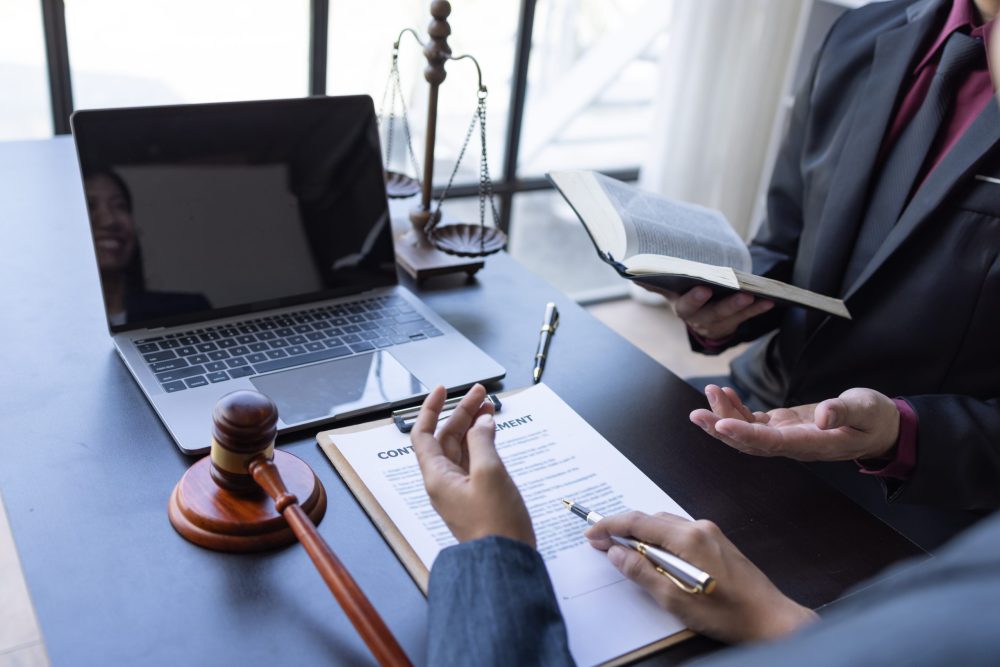 Foreclosure Litigation and the Power of Discovery When facing a foreclosure lawsuit, the discovery process is one of the strongest tools a foreclosure litigation attorney can use to protect homeowners. It’s where real evidence replaces assumptions—and where banks are forced to prove their case instead of hiding behind paperwork. In foreclosure defense, discovery lets your attorney demand key documents, question…[...]
Continue Reading
 Know your Options Foreclosure is a legal process that allows an entity claiming the legal right to do so to take ownership of a home when the borrower fails to keep up with mortgage payments. For homeowners facing foreclosure, this can be a frightening and stressful experience. The biggest question most homeowners have is: When is it too late to…[...]
Continue Reading
A Homeowners Guide Facing foreclosure can be overwhelming, but homeowners should know that they have options. Even after the process begins, there are legal, financial, and negotiation strategies that can help stop foreclosure and save your home. This guide will break down everything you need to know about stopping foreclosure once it starts. Many times, the best defense is going…[...]
Continue Reading
Continue Reading
Understanding Chapter 13 Bankruptcy and Foreclosure While our primary focus here at Livinglies.me is not bankruptcy, it is an important option to homeowners seeking to save their home from foreclosure. Sometimes, when homeowners come to us late in the foreclosure process, an emergency Bankruptcy is the only option. Don't wait until it's too late to put up a strong defense…[...]
Continue Reading
Continue Reading
Neil Garfield and I have been fighting illegal foreclosures for over 20 years. Here at Livinglies.me sometimes we win big and get the house back after foreclosure and eviction. Wins can come in all forms for us in the Foreclosure Litigation support arena. Here is our latest win in the making in the state of Washington. Foreclosed upon, Ignored by…[...]
Continue Reading
Continue Reading
 Winning Takes Many Forms We get asked all the time: What counts as a win in a foreclosure lawsuit? For our clients, a win means keeping their home or holding fraudulent lenders accountable. Wins may look different from case to case, but every one matters. If a pretend lender dismisses their foreclosure case, that’s a win. If a sale date…[...]
Continue Reading
What makes a Notarized Document Invalid?
Dec 19, 2024
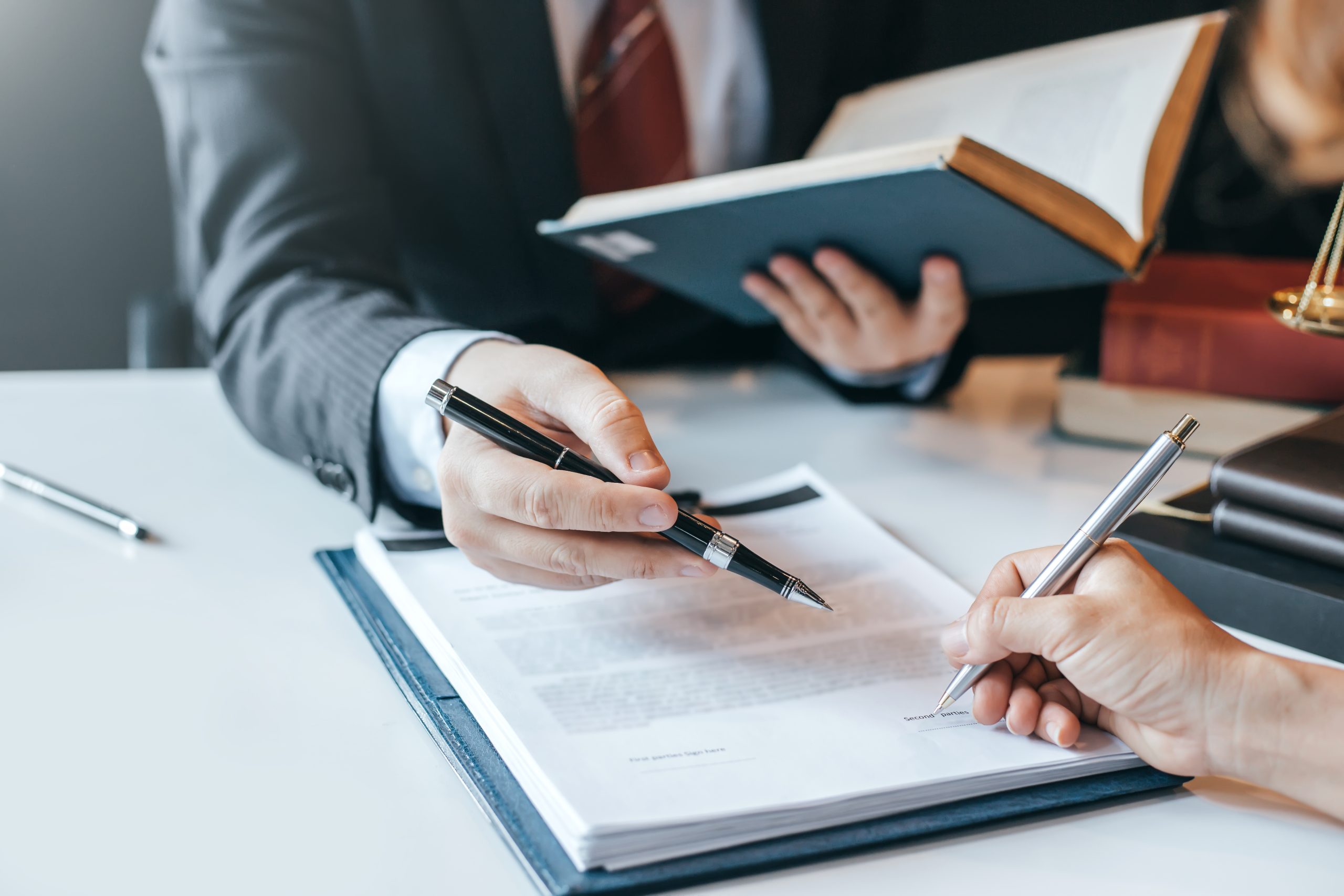 Understanding the Role of Notarized Documents in Foreclosure Defense When it comes to foreclosure defense, one critical area of focus is the validity of notarized documents. Homeowners facing foreclosure often encounter documents that appear official and binding simply because they bear a notary’s seal. However, not all notarized documents are created equal. In fact, many documents used in foreclosure cases…[...]
Continue Reading
Understanding Unlawful Detainer Stays of Execution Due to Hardship Under CCP §918 in California
Dec 19, 2024
When a homeowner faces an unlawful detainer (eviction) judgment in California, the immediate concern is often: “How can I delay the sheriff’s lockout and gain more time?” The California Code of Civil Procedure (CCP) §918 provides a potential lifeline for individuals who are dealing with extreme financial or personal hardships. However, like most legal tools, it’s effective only when used…[...]
Continue Reading
Continue Reading
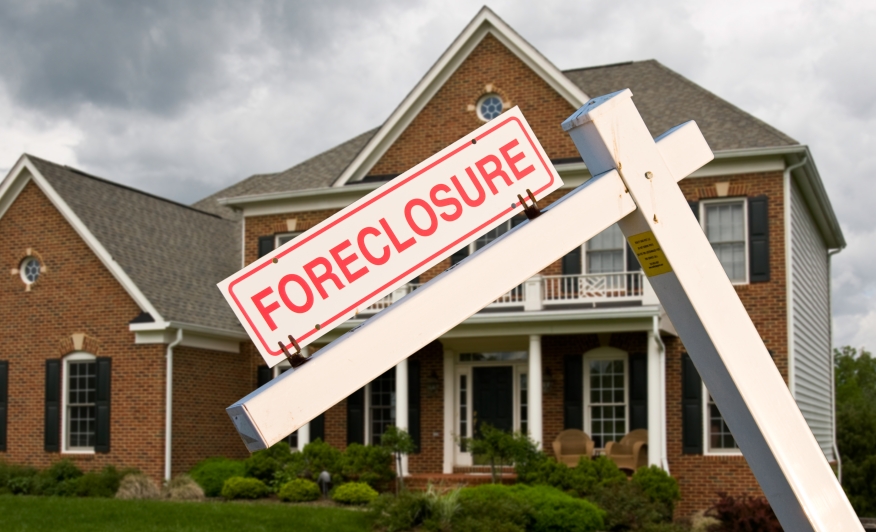 Are you facing foreclosure? When the bank comes knocking, threatening to take your home, it can feel like the end of the world. But let me tell you this: foreclosure is not the end of the road. Homeowners have rights. What are the best ways to stop a foreclosure? Let’s break it down in plain English. Step 1: Know Your…[...]
Continue Reading
Search Our Blog
Categories
Contact Our National Headquarters Phone: 844-583-5339
Connect with us


Contact Our National Headquarters
- 844-583-5339
- Available 24/7
-
200 S. Andrews Ave. Ste. 604
Ft. Lauderdale, FL 33301